PURPOSE: Every Year on April 2nd during the World Autism Awareness Day, the International Community share stories; provide opportunities to increase understanding and acceptance of people with autism, and foster worldwide support. The General Assembly resolution A/RES/62/139 of the year 2007 emphasizes the importance of raising public awareness of autism. Approximately one in 100 children has autism, which constitutes a diverse group of conditions related to development of the brain, according to the World Health Organization (WHO). Although characteristics may be detected in early childhood, autism is often not diagnosed until much later. The abilities and needs of autistic people vary and can evolve over time. While some can live independently, others have severe disabilities and require life-long care and support. Today, 18 years later, we have moved beyond raising awareness to promoting acceptance and appreciation of autistic people and their contributions to society.
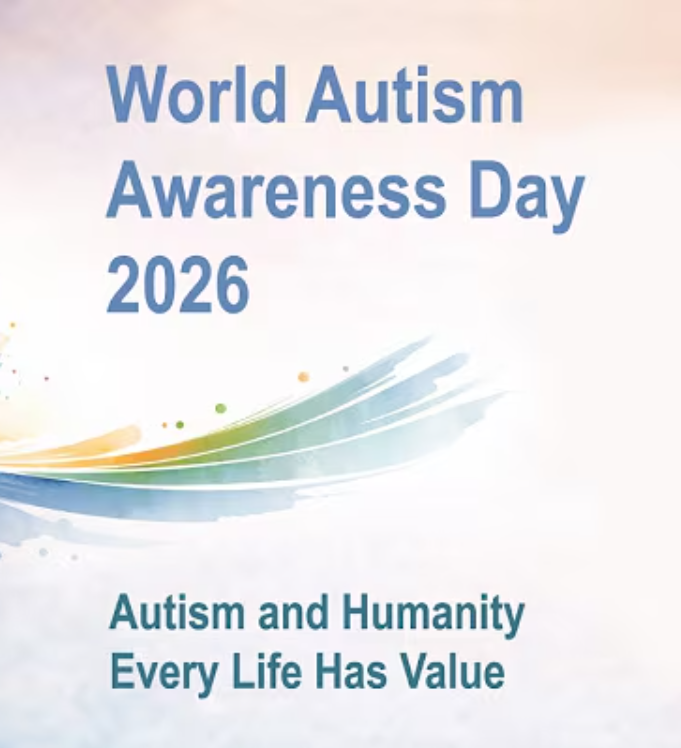
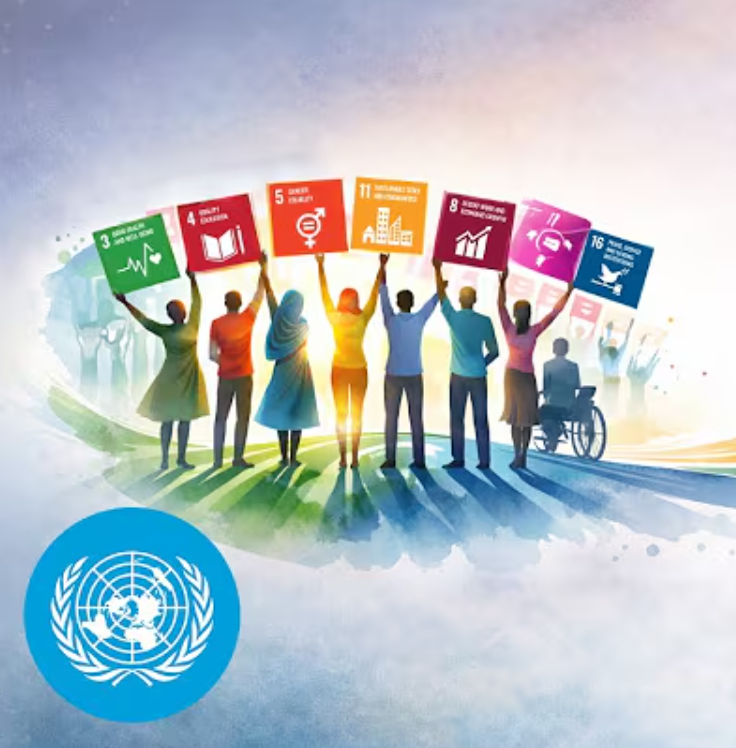
FORUM: "Autism and Humanity, Every Life has value." World Autism Awareness Day 2026. Globally, 1 in 127 people is diagnosed with autism, a lifelong neuro-developmental condition affecting social interaction, communication and behaviour. Autism is among the top 10 brain health conditions contributing to health loss globally. Despite international human rights conventions, autistic people still face stigma, discrimination and barriers to participation. Access to timely, quality health care and support services remains limited, driving inequalities across the life course. Addressing these challenges requires sustained action and greater investment in inclusive policies and services that uphold the rights of autistic people. Evidence shows that early identification, inclusive education and nurturing care in families and communities can significantly improve health, well-being and participation. This year’s discussion explores the role of neurodiversity in shaping policies that advance health and well-being, quality education, gender equality, economic opportunity, reduced inequalities, sustainable communities, and strong institutions. Follow the conversation with the hashtags: #EveryoneIncluded, #2April, #worldAutismAwarenessDay, #WAAD, #autismspectrum.
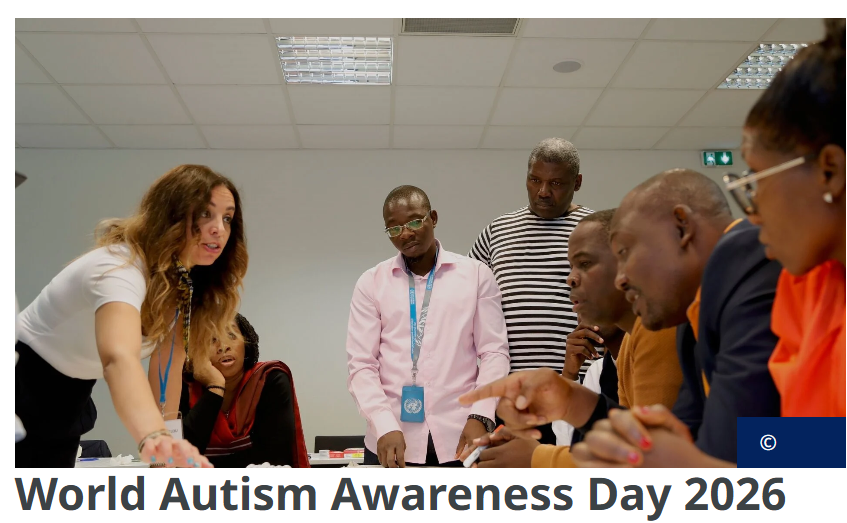
EVENTS: On April 2nd; On the occasion on World Autism Day 2026, the WHO joins families and communities worldwide in recognizing the dignity and worth of all autistic people and advocating for policies that promote neuroinclusive environments in health, education, workplaces, sports and other sectors.
On April 27th, 2026; a webinar will be held to mark the launch of a new WHO caregiver well-being training for children with developmental delays and neuro-developmental conditions, which highlights practical approaches to supporting caregivers and strengthening inclusive care. The WHO’s efforts focus on increasing government commitment to improve quality of life for autistic people and strengthen data informed decision making; providing guidance on inclusive policies and action plans within broader health, mental health, brain health and disability frameworks;, and strengthening community-based services.
STATEMENTS: Read the Statement of the United Nations Secretary-General on World Autism Awareness Day 2026.
PODCASTS: In addition, every year on the occasion of World Autism Awareness Day, the awareness campaign "Light It Up Blue" is organized during the week of April 2. To support this campaign, buildings and monuments are lit up in a brilliant blue. Listen the audio-podcasts!
CAMPAIGN MATERIALS: Let's promote inclusive environments and provide support for autistic people and their caregivers by motivating our work colleagues to dress up in blue, just like us, on April 2nd. Inform us about your action and share it on your social network. Get the communication materials!
WHY WE CELEBRATE THE DAY?
The celebration of the Day aims to reaffirm our commitment to an inclusive, equitable and sustainable world for persons with autism;
During the Month of April, for the occasion of the World Autism Awareness Month; We all have to support them to claim their rights to participate within any societies.
People on the autism spectrum have sensory differences, the most common being hypersensitivity, causing them to view the world differently through the overload of information.
GET INVOLVED!
Assist persons with autism which live in isolation
Foster inclusive quality education for people on the autism spectrum
Help the autists to achieve their potential and success in the labour market
Ensure that the rights, perspectives and well-being of persons with disabilities, including those with autism
Reduce inequality through social, economic and political inclusion for all, including persons with disabilities
Reconnect with those who are disconnected from their communities, in institutions
Establish community-based support systems for people with autism.
PARTNERS
The World Autism Awareness Day is organized by the United Nations Department of Global Communications; The United Nations Department of Economic and Social Affairs, the United Nations Programme on Disability (UN Enable); with support from civil society partners including the Autistic Self Advocacy Network, the Global Autism Project; Autism Speaks; Lighting up blue for Autism; the Specialisterne Foundation.
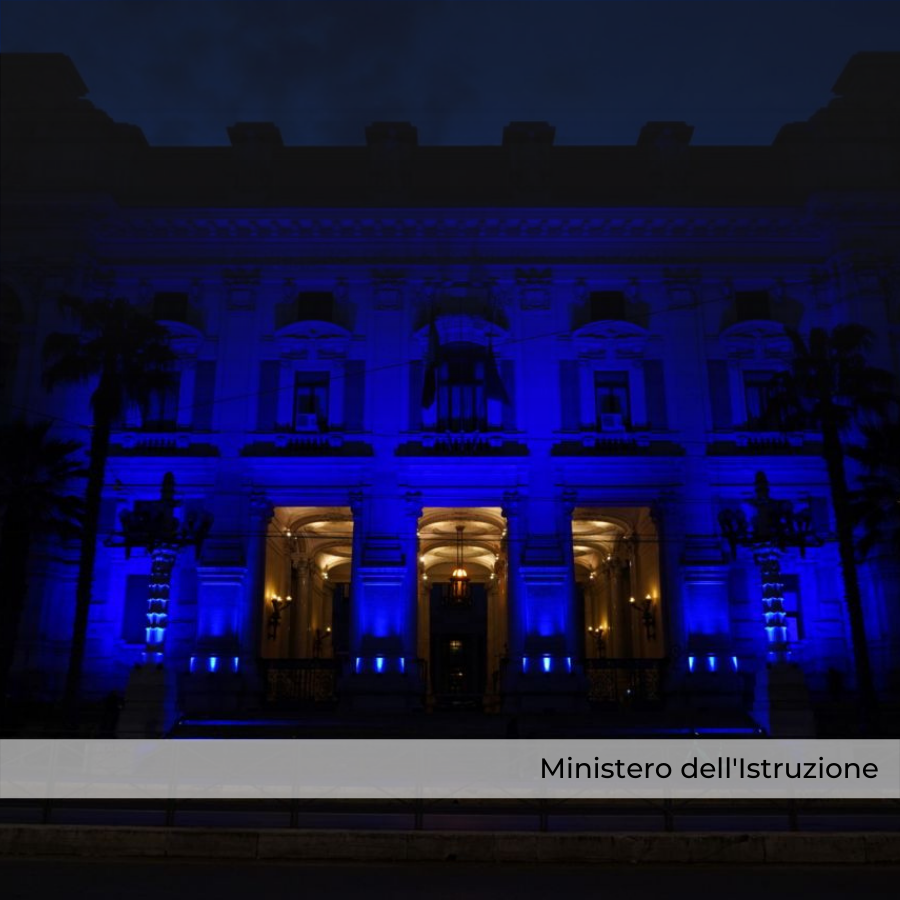
To support this campaign, buildings and monuments are lit up in a brilliant blue.
Make a donation.
Together, we create better lives. with your help we will be able to organize various actions.