
PURPOSE: The International Day for the Elimination of Racial Discrimination is observed annually on 21 March, the day aims to foster a global culture of tolerance, equality and anti-discrimination and calls on each and every one of us to stand up against racial prejudice and intolerant attitudes. The UDHR states that everyone is entitled to all the rights and freedoms, without distinction of any kind, such as race and colour, among others. However, racism and racial discrimination continue to affect people all over the world.
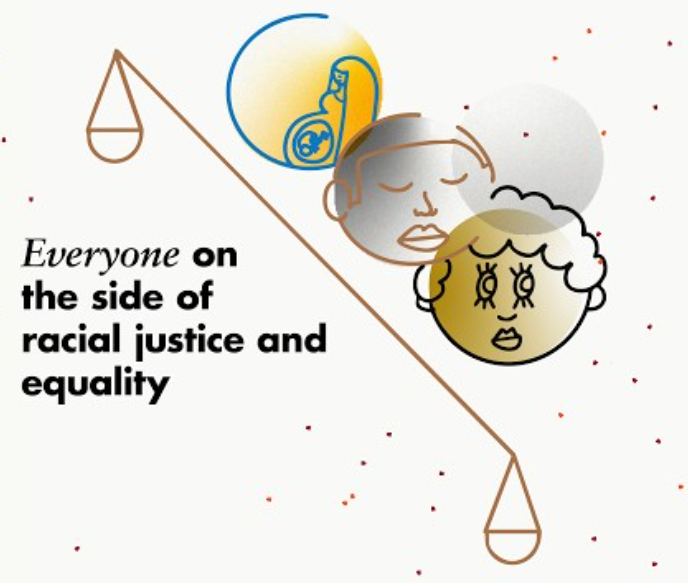
FORUM: "Everyone on the Side of Racial Justice and Equality" International Day for the Elimination of Racial Discrimination 2026. Racist behavior involves prejudice, discrimination, or antagonism directed against someone based on their race or ethnicity, often stemming from notions of superiority. It includes overt acts like slurs, violence, and harassment, alongside subtle actions such as stereotyping, microaggressions, and systemic exclusion, which devalue individuals based on skin color or culture. It's time to rethink about the real and lasting impacts of racism, and our shared responsibility to stand against discrimination in all its forms and give an answer to the thematic discussions on What is racism related OCD? - People with obsessive-compulsive disorder can develop unwanted thoughts, images, or urges dealing with race, or fears of being a racist or being perceived as racist by others. These obsessions lead people to experience intense distress and uncertainty about what these thoughts mean about them. Racism OCD can involve fears of having an offensive thought about someone of another race, of doing or saying something racist without being aware of it, or of fear of being perceived racist. These obsessions often lead to anxiety, guilt, and shame. OCD tends to attack a person’s core values and identity; these types of obsessions are particularly distressing to someone who cares a lot about fighting against racism, treating people fairly, and being respectful of others. OCD often convinces people that their thoughts are tied to their true beliefs and self-worth, causing doubt and distress. Individuals suffering with OCD also engage in various compulsions to relieve the distress caused by obsessions or to prevent a feared outcome. However, compulsions provide only temporary relief, and in the long term fuel obsessions, increase anxiety, and become burdensome. What are the common obsessions of the cases of Racism OCD? - The Fear of losing control and using a racial slur or making an offensive comment; The Obsessive concerns about not being able to tell if one’s own behavior might be racist; The Worries about accidentally or purposefully causing emotional harm to someone of another race; The Doubts about whether or not something one did or said was racist and some Concerns that one may only be pretending not to be a hateful person. What are the common triggers - People with fear of being racist may be triggered by situations involving interactions with a minority friends or coworkers. Hearing about other people’s experiences with racism can lead to questions about one’s own behavior and intentions. Even habitual daily interactions can lead to doubts about whether or not one’s actions were racist. For example, passing a black woman on the street could trigger intrusive thoughts about racial slurs or questions like “Am I racist because I didn’t smile at the person I passed on the street? Could my eye contact have been seen as intrusive or racially motivated? What about my lack of eye contact?” Reading about systemic or institutionalized racism, talks about diversity and inclusion, and seeing racial protests in the news could all be potential triggers. How can I tell if it’s racism OCD, and not racism? - Everyone likely has implicit racial biases about groups of people that exist at an unconscious level. While these biases impact the way that we interact with people, they are not the same thing as racism. Racism involves conscious prejudice and discrimination against members of a particular racial group, or a lack of concern about inadvertent prejudice. Individuals who choose to participate in racist actions will falsely deny, reflexively defend, or be prideful about their actions. Someone who is dealing with Racist OCD, on the other hand, will worry extensively about whether or not they are racist, may reflexively blame themselves, or be intensely concerned about inadvertent offense or prejudice. OCD causes repetitive thoughts and doubts in your mind and attempts to convince you that you are morally wrong for having these thoughts and doubts. While it is important for people to examine their implicit racial biases, it is unproductive to experience unrelenting fear and anxiety about whether or not you are racist there is a key difference. The Common compulsions performed mentally or physically by people with OCD fear of being racist include: Asking loved ones for reassurance that one isn’t racist; Repetitively conducting research about racism or how to be anti-racist; Mentally reviewing past actions or conversations to make sure they aren’t racist; Researching news stories about racially motivated crimes; Speculating and comparing one’s actions with other people’s actions; Being overly gentle, speaking more, or interacting more with members of a racial group in an attempt to convince oneself that they aren’t racist Avoiding members of a racial group to avoid intrusive thoughts and doubts, or in an attempt to avoid causing them offense or discomfort. How to treat fear of being racist? - Racism OCD can be debilitating for people who struggle with it, but it is highly treatable. Doing exposure and response prevention (ERP) therapy with an ERP trained therapist can bring relief from the unending doubt and anxiety that OCD causes. Individuals in need of treatment for Racism OCD can face several obstacles. It is important to be able to work with a therapist who understands obsessive-compulsive disorder, is trained to treat it using ERP, and is comfortable talking about race. ERP involves facing obsessive fears with exposures that will allow for the experience of anxiety without doing a compulsion to relieve it. Compulsions reinforce the OCD cycle. By choosing not to engage in compulsions, individuals are able to learn to respond to triggers in a new way and will likely experience a gradual reduction of anxiety over time. An therapist will be able to assist you with working through challenging feelings and barriers to treatment. They can assist with developing exposures that feel manageable and help to establish a new and healthier response to obsessive thoughts. To participate to the forum follow the conversation with the hashtags: #Racism, #Racialbehaviour, #21March, #DíaContraElRacismo, #RacialJustice, #Discrimination, #Racialequality, #Racialattitude,#fightracism.
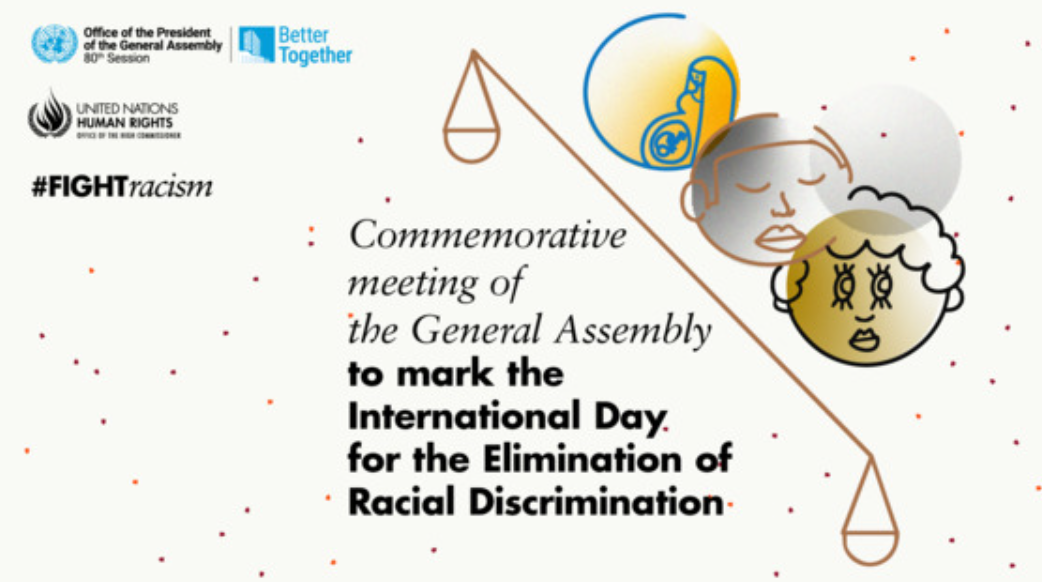
On March 23rd, 2026 at the UNHQ, the Commemorative meeting on the occasion of the International Day for the Elimination of Racial Discrimination 2026 will be held. The theme of this year’s meeting is “Mobilizing political will: 60 years of commemorating the International Day for the Elimination of Racial Discrimination”.The item discussed are Elimination of racism, racial discrimination, xenophobia and related intolerance. Watch the livestream!
OnMarch 21st. a webinar will be held to commemorate the International Day for the Elimination of Racial Discrimination 2026 ; Register to participate!
The United Nations Human Rights Council will hold its 61st regular session from 23 February to 30 March 2026. The Panel discussions to be held during the sixty-first session of the Human Rights Council are the Annual high-level panel discussion on human rights mainstreaming, on the theme “Role of new and emerging digital technologies in preventing and eliminating female genital mutilation” (accessible to persons with disabilities); The High-level panel discussion on the commemoration of the twenty-fifth anniversary of the adoption of the Durban Declaration and Programme of Action (accessible to persons with disabilities); The Panel discussion on human rights and a culture of peace (accessible to persons with disabilities); The Panel discussion on promising practices and measures to mobilize public resources to finance sustainable development in a manner consistent with States’ economic, social and cultural rights obligations (accessible to persons with disabilities, The Annual interactive debate on the rights of persons with disabilities, on the theme “Disability-inclusive infrastructure, including transport and housing” (accessible to persons with disabilities) and the Annual full-day meeting on the rights of the child, on the theme “Rights of the child and violations of the human rights of children in armed conflicts” (two panels, accessible to persons with disabilities). Read the Resolutions, decisions and President's statements and get the HRC61 Session Documentation!
STATEMENTS
Statement by the U.N. Secretary-General on the occasion of the international Day for the Elimination of racial discrimination 2026; March 21st.
Joint statement of the Special Rapporteur on contemporary forms of racism, racial discrimination, xenophobia and related intolerance; The Experts of the International Independent Expert Mechanism to Advance Racial Justice and Equality in the context of Law Enforcement; The Chairperson, Working Group of Experts on People of African Descent; The Committee on the Elimination of Racial Discrimination, The Chairperson-Designate of the Permanent Forum on People of African Descent; And The Chairperson of the Group of Independent Eminent Experts on the Implementation of the Durban Declaration and Programme of Actionon the occasion of International Day for the Elimination of Racial Discrimination 2025; March 21st.
PODCASTS: Minorities, people of African descent, people of Asian descent, Indigenous Peoples, migrants, including asylum seekers and refugees, are particularly vulnerable as they often face discrimination in all aspects of their lives based on their racial, ethnic or national origin, skin colour or descent. In this regard, it is crucial that States must implement their international human rights obligations and commitments under the International Convention on the Elimination of All Forms of Racial Discrimination and the Durban Declaration and Programme of Action. Let’s talk about the Convention on the Elimination of Racial Discrimination; Listen the audio-Podcasts!
CAMPAIGN MATERIALS: Join the "Everyone on the Side of Racial Justice and Equality" campaign to mark the International Day for the Elimination of Racial Discrimination 2026. Through our work, we see clearly that racism, racial discrimination, xenophobia, and related intolerance continue to be a cause of conflict around the world. We are witnessing a dangerous regression in the fight against racism and racial discrimination in many spaces. Together, we are committed to making sure people of every race, ethnicity, color, gender, religion, creed and sexual orientation enjoy a sense of belonging and safety, and have an equal opportunity to contribute to the success of our United Nations. Get the communication materials!
Why we celebrate the Day?
Throughout the history, racism creates the conflicts and hatred in the minds of men and women, disrupting mutual understanding and trust to build peace in the world. Racism also impedes the United Nations’ efforts for the social dimension of sustainable development.
Only by raising our voices together can we break this silence. Let’s stand with to those who face racism and listen to their experiences and concerns. Let’s combat fake and harmful discriminatory narratives and ensure that everyone’s voice is taken into account. Our diversity is a source of strength, never a threat. Join us and add your voice to demand action against racism and racial discrimination. Read the Report on the fight against discrimination and racism in football - COLOUR? WHAT COLOUR?
HOW TO GET INVOLVED!
Provide the space to strategise for change Global call against RACISM
Advance equality and anti-discrimination.
Get involved in the development of more advanced racial awareness.
Mobilize actions against all forms and manifestations of racial discrimination and injustice.
Support individual and organisational conversations about the importance of keeping the focus of IDERD.
Engage in proactive, open discussions about racism.
Tackle racism when it occurs and prevent it in the future.
.
PARTNERSHIPS
The IDERD is co-organized by the U.N. Member States, the UNESCO, the UNAOC, the United Nations High commissioner for Human Rights, the Special Rapporteur on contemporary forms of racism, racial discrimination, xenophobia and related intolerance, the Working Group of Experts on People of African Descent, the Independent Expert on the enjoyment of human rights of persons with albinism, the Working Group on Arbitrary Detention, the Working Group on the issue of human rights and transnational corporations and other business enterprises, the Special Rapporteur in the field of cultural rights, the Special Rapporteur on the rights of persons with disabilities, the Working Group on Enforced or Involuntary Disappearances, the Special Rapporteur on the right to education, the Special Rapporteur on extrajudicial, summary or arbitrary executions, the Special Rapporteur on the promotion and protection of the right to freedom of opinion and expression, the Special Rapporteur on the situation of human rights defenders, the Special Rapporteur on the rights of indigenous peoples, the Independent Expert on the enjoyment of all human rights by older persons and the United Nations Network on Racial Discrimination and Protection of Minorities.

Make a donation.
We recognize that eradicating racial discrimination requires sustained effort and collaboration across diverse sectors. By forging partnerships with community organizations, advocacy groups, and policymakers, we can effect meaningful change and build a more just and equitable society for all. We encourage members to participate in events in their communities and seek out opportunities to advance their understanding of racism and its impacts. Together, we stand in solidarity with all workers and communities in the pursuit of a world free from racial discrimination.