PURPOSE: Every year on 19 November, the United Nations celebrates World Toilet Day to raise awareness for the sanitation crisis across the world. Titled, ‘Sanitation for All’ the Resolution A/RES/67/291 was adopted on 24 July 2013. The day calls UN Member States and relevant stakeholders to encourage behavioral change and the implementation of policies to increase access to sanitation among the poor, along with a call to end the practice of open-air defecation, which it deemed “extremely harmful” to public health. During the day, we present the need to build modern toilet infrastructure and to provide hygiene training.
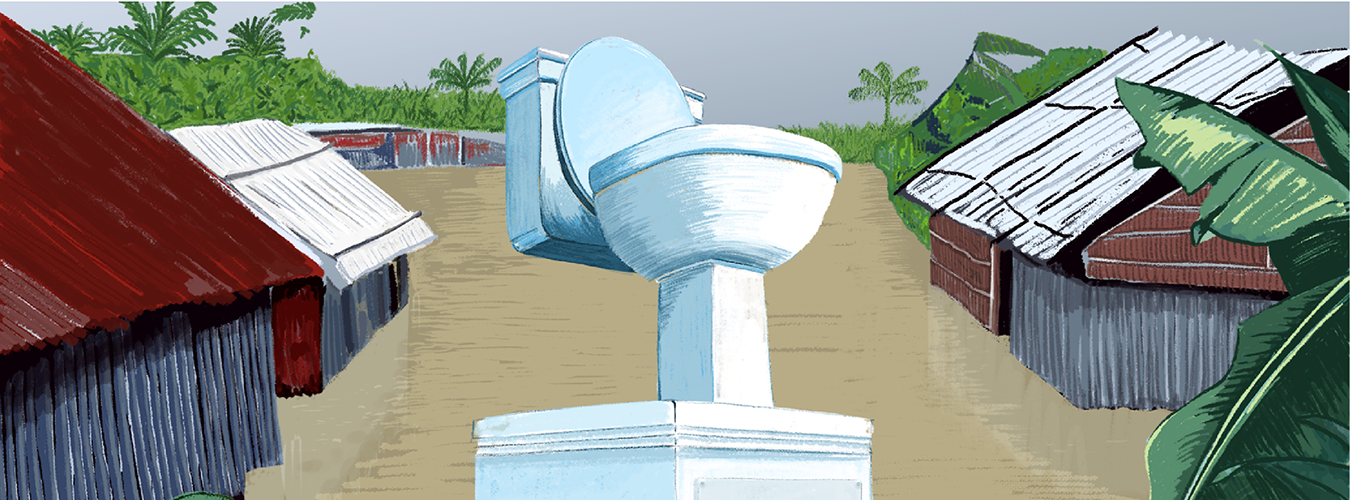
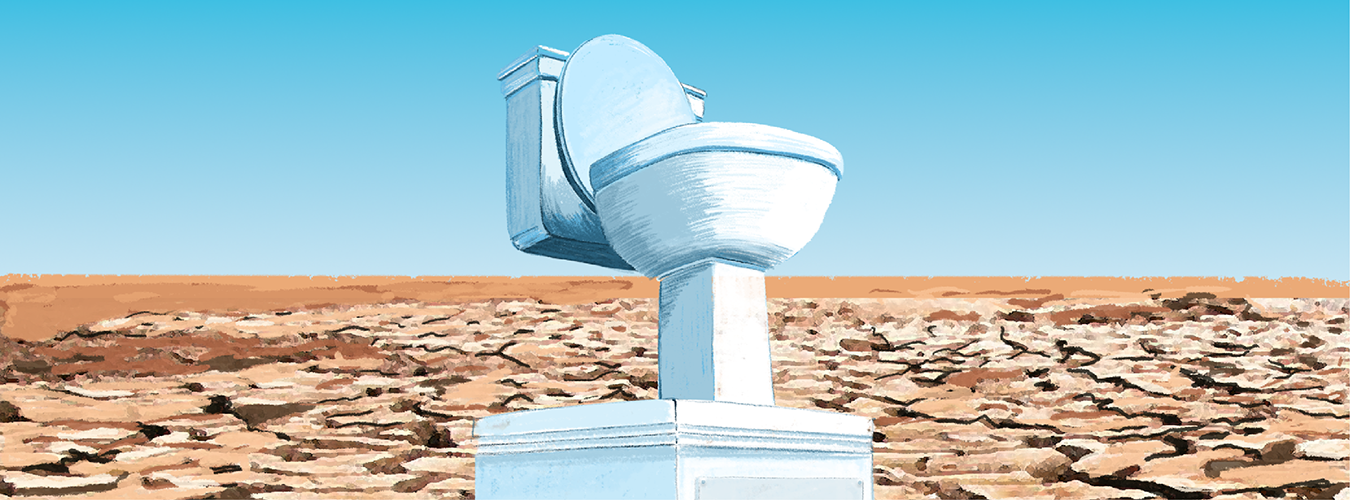
FORUM: “We’ll Always Need the Toilet.” World Toilet Day 2025. In a changing world, one thing remains constant: we will always need the toilet. Sanitation protects our health, preserves our environment, and safeguards communities from disease. Today, 3.4 billion people still live without safely managed sanitation services, with the poorest, especially women and girls, worst affected. The 2025 campaign, “We’ll Always Need the Toilet,” calls for urgent action to protect and expand access to sanitation amid growing pressures. In much of the world, access to sanitation suffers from ageing infrastructure, rising demand, and investment that is lagging behind population growth. The impacts of climate change are severe and are getting worse: melting glaciers, worsening weather, and rising seas all have profound effects on the access to sanitation. This access is a human right and it is fundamental to health, environmental protection, and sustainable development. The campaign will also highlight the need for future-ready toilets that are accessible, climate-resilient, low-emission, and supported by strong systems and investment. However, as time passes, the pressure on sanitation systems continues to mount. To meet the future, we urgently need to invest in “future-ready” sanitation today. Together, we can ensure toilets that are: (1) Accessible to all; (2) Resilient to floods, droughts, and other climate shocks; (3) Minimizing greenhouse gas impacts; (4) Supported by strong systems and sustained investment. Governments must ensure that sanitation and water services are resilient, effective, accessible to everyone and shielded from harm. Right now, we are seriously off track to meet SDG 6: safe toilets and water for all by 2030. Follow the conversations with the hashtags: #sanitationforpeace, #19November, #WorldToiletDay, #sanitation, #cleantoilets, #Opendefecation, #sanitationforall.
EVENTS: On November 19th; from 10:00 – 12:00 EST, at the UN HQ, New York; The UN-Water, the World Toilet Organization and the World Toilet Association will held an event to mark the World Toilet Day 2025. The celebration World Toilet Day 2025 will focus on 'sanitation in a changing world' with the tagline: ‘We’ll always need the toilet’. No matter what lies ahead, one thing will stay constant – our need for safe sanitation. Attendees will include Permanent Missions, experts from the UN and internatinal organizations, private sector representatives and donors. The participants will focus on accelerating action on sanitation to drive progress across the SDGs. The world must respond urgently to this call. We need a massive cash injection across the board to get the SDGs on track, the proposal for an SDG Stimulus of $500 billion a year is gaining traction, and we urge leaders to act now to make it a reality. Register to participate!
KEY MESSAGES: Toilets are a place for peace. This essential space, at the centre of our lives, should be safe and secure. But for billions of people, sanitation is under threat from conflict, climate change, disasters and neglect. Toilets are a place for protection. By creating a barrier between us and our waste, sanitation services are essential for public and environmental health. But when toilet systems are inadequate, damaged or broken, pollution spreads and deadly diseases get unleashed. Toilets are a place for progress. Sanitation is a human right. It protects everyone’s dignity, and especially transforms the lives of women and girls. More investment and better governance of sanitation are critical for a fairer, more peaceful world.
PUBLICATION: Exposure Risk Management from Faecal Pathogens for Workers in Container Based Sanitation Systems.
STATEMENTS: Read Statement of the United Nations Secretary-General on World Toilet Day 2025; November 19th and the Statement of the UN-Water Chair on World Toilet Day 2025; November 19th.

PODCASTS: The objectives are: (1) To Create awareness on climate resilient sanitation as a requirement of a peaceful and dignified life. (2) To Generate momentum for sustained political and financial support to accelerate progress on safely managed and climate resilient sanitation towards achieving Sustainable Development Goal 6.2 targets; (3) To Identify ways to advance sanitation within the UN system. Let’s make the invisible visible, and Build or install toilets and other sanitation facilities along highways as part of measures to curb indiscriminate Open Defecation along the roads. Listen to the audio-podcast!
CAMPAIGN MATERIALS: Let’s act now — because no matter how the world changes, we’ll always need the toilet. Explore CAMPAIGN TRELLO with editable files, and social media resources. The CERTIFICATE (only in English or as editable file). The FACTSHEET in Arabic, Chinese, English, French, Russian and Spanish. The POSTER in Arabic, Chinese, English, French, Russian and Spanish. The VISUAL GUIDELINES and VISUAL IDENTIFIER in Arabic, Chinese, English, French, Russian and Spanish. The ACTIVATION KIT in Arabic, Chinese, English, French, Russian and Spanish. The BRANDED MATERIALS, such as postcards, social media stickers and toilet seat for photo booth. Get the communication materials!
WHY WE CELEBRATE THE DAY?
HOW TO GET INVOLVED!
PARTNERSHIP
The World Toilet Day is held every year on November 19th. It has been an annual United Nations Observance since 2013. For the humans' dignity and their healthy lives, let world know the importance of toilets to public health and sanitation, as well as establish advanced toilet culture and contribute to humanity.
Toilets are the key to sanitation
Toilets are a sanctuary for human life and dignity
All humans have a right to access adequate (Clean & Safe) toilet facilities
Children, the disabled, and the elderly must be able to access and use toilets equally
Future toilets must be eco-friendly in order to preserve the environment
Toilet provisions should add benefit to the lives of local residents and they must be able to consistently maintain these facilities.
Affirm the importance of toilets on humanity
Consider toilets to be essential to the proper disposal of waste and water management.
Emphasize the central and crucial role toilets play in daily life
Create awareness about the link between toilet and hygiene
Provide and improve toilet facilities in developing countries
Provide toilets at area of disaster occurrence
Establish technique standards of world toilet culture
Protect lives through the improvement of sanitation via toilets
Invite people to realize how crucial the sanitary disposal of waste water is for both the health of the community and its dignity as well.
Discuss future plans for improving sanitation conditions throughout the world.
Spread the importance of toilets through conferences, exhibitions, education & training program
Enhance partnerships with the UN, other international organizations, and NGOs
The World Toilet Day is hosted by the UN-Water, the United Nations Development Programme (UNDP), the World Toilet Organization , the World Toilet Association, the World Health Organization (WHO), the United Nations Children’s Fund (UNICEF), the WASH Programme, the Joint Monitoring Programme for Water Supply, Sanitation and Hygiene (JMP), the World Bank’s International Development Association (IDA).
With the collaboration of the World Economic Forum (WEF), the African Union; the UN-IGRAC, the Green Climate Fund, the Global Water Partnership, the Human Rigth to Water, the IAEA Sustainable Sanitation Alliance, the Sanitation and Water for All, the Government of Korea, the International Committee of Red Cross, the International Water Association (IWA), the International Ressources Water Association (IRWA), the Stockholm International Water Institute (SIWI), the WaterAid, the Water.org, the Toilet Board Coalition, the Korean Red Cross, the Korea Toilet Association, Mr. Toilet House.
With the Participation of the Civil society Organization, Public and private sectors, Non-Governmental Organizations, Researchers and academia.