PURPOSE: The United Nations General Assembly, have taking into account of the large and increasing number of migrants in the world, proclaimed 18 December as International Migrants Day (Resolution A/RES/55/93)) on 4 December 2000. On that day, in 1990, the Assembly adopted the International Convention on the Protection of the Rights of All Migrant Workers and Members of Their Families. Overall, the estimated number of international migrants has increased over the past five decades. The total estimated 281 million people living in a country other than their countries of birth in 2020 was 128 million more than in 1990 and over three times the estimated number in 1970. The observance of the day aims to raise awareness about the challenges and difficulties of international migration, to actualize human mobility and seize the opportunities it presents. This day is also a reminder that human rights are not ‘earned’ by virtue of being a hero or a victim, but are an entitlement of everyone, regardless of origin, age, gender and status..
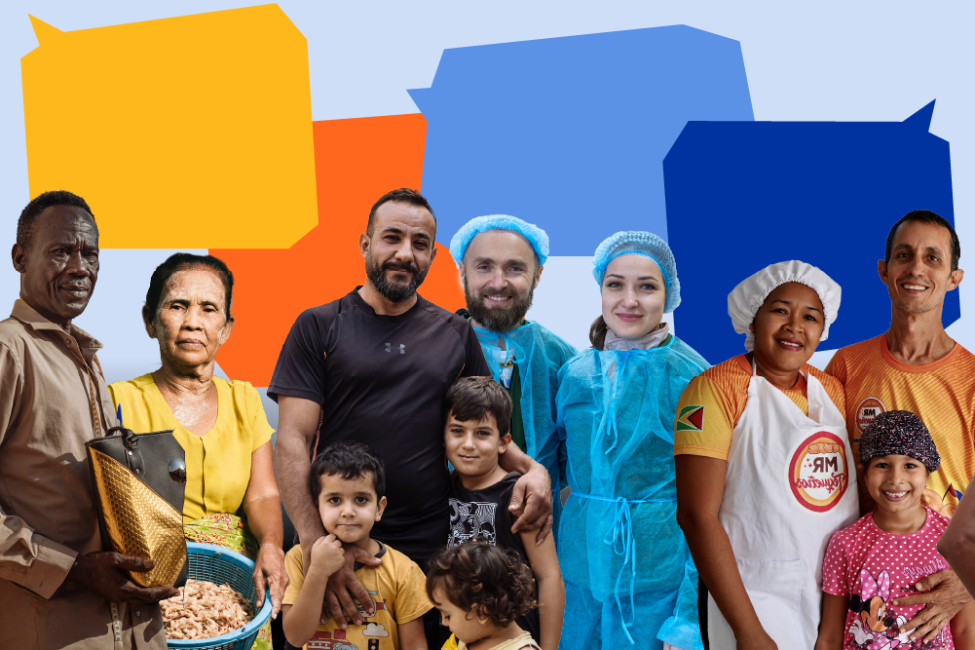
FORUM: “My Great Story: Cultures and Development.” International Migrants Day 2025. This year’s theme highlights how human mobility drives growth, enriches societies, and helps communities connect, adapt, and support one another. This year observance gives us a special opportunity to shine a spotlight on the invaluable contributions of millions of migrants around the world. It's also a day for us to highlight the increasingly complex environment in which migration occurs. Migration is a defining force of our century. Remittances to low- and middle-income countries are projected to reach a record USD 685 billion, and migrants are central to addressing labour shortages, driving innovation, and supporting demographic stability. Yet these contributions can only be maximized when migration is safe, orderly, and responsibly governed. Well-managed migration is a strategic asset: it strengthens resilience, fuels prosperity, and supports social cohesion. From documentation and skills recognition to integration and dignified return, effective systems ensure migrants can find stability, support their families, and build new futures, while helping communities adapt and thrive. Conflicts, climate-related disasters and economic pressures continue to drive millions of people from their homes in search of safety or simply opportunity. This past year, we saw record levels of internal displacement, rising humanitarian needs across ongoing and new crises, and, tragically, the highest-ever death toll of migrants in transit. Yet, alongside these challenges, are stories of resilience, progress and hope. Where safe and well-managed migration holds extraordinary potential. Migrants play critical roles in labour markets, filling skills gaps, driving innovation and entrepreneurship, and addressing demographic challenges in aging societies. Migrants boost economic growth and provide a lifeline to families and communities back home, driving development. The evidence is overwhelming that when migration is managed safely and strategically, it can be a powerful force for good. By supporting regular pathways for migration, we can enable opportunities for migrants, better protect their rights, and contribute to greater prosperity in the countries migrants come from and those that host them. Together, one step at a time, we can continue building a world where migration is safe, orderly, and beneficial – for everyone. Follow the conversation with the hashtags: #InternationalMigrantsDay, #18December, #MigrantsDay, #safeMigration, #RegularMigration, #OrderlyMigration.
EVENTS: On December 18th, the UN Migration, the UN Special Rapporteur on the Human Rights of Migrants and the specialized agencies will host a webinar to mark the day from the IOM Headquarter in Switzerland. Migration continues to shape economies, communities, and global development. On this International Migrants Day 2025, the International Organization for Migration calls for smarter policies, stronger cooperation, and a renewed commitment to making migration work for all. Because every migrant’s journey is a story of resilience and possibility, and because when migration is managed well, each personal story becomes part of a larger one that enriches cultures, strengthens development, and benefits us all. “My Great Story” is not only a migrant’s story—it is our shared story of building a fairer, more sustainable future through mobility. Register to participate!
PUBLICATION: The World Migration Report 2024 reveals latest global trends and challenges in human mobility. Get the WORLD MIGRATION REPORT 2024!
STATEMENTS: Read the Statement of the United Nations Secretary-General on the International Migrants Day 2025; December 18th.; Statement of the UN Women on International Migrants Day 2025, December 18th; Statement of the IOM Senior Leadership Message on International Migrants Day 2025; Message of the IOM Global Goodwill Ambassador America Ferrera Message on IMD 2025 and the Message of the IOM Global Goodwill Ambassador Dimash Qudaibergen Message on IMD 2025..

PODCASTS: Scale up the implementation of the Global Action Plan on promoting the health of refugees and migrants. In most discussions on migration, the starting point is usually numbers. The current global estimate is that there were around 281 million international migrants in the world in 2020, which equates to 3.6% of the global population.To facilitate the development and implementation of national health policy strategies and regional action plans that respond to the health needs of people on the move Listen to the audio-podcasts!
CAMPAIGN MATERIALS: Be a lifeline to people in need!
With your help, IOM can save lives by delivering crucial assistance wherever and whenever it is needed most.
join the PLURAL+, a joint initiative of the United Nations Alliance of Civilizations (UNAOC) and the International Organization for Migration (IOM) to rethink about Migration and inclusive societies. You are free to participate. Get the communication materials!
WHY WE CELEBRATE DAY?
HOW TO GET INVOLVED!
PARTNERSHIPS
With ever increasing numbers of migrants moving throughout the world, the United Nations General Assembly declared December 18th as a day to celebrate the role of the migrant and the contribution that migration brings to development.
We celebrate the International Migrants Day to address the social dimensions of climate change and migration, particularly regarding governance, conflict, human rights and international law, gender equality, economic and human development and public health.
UN Member States and intergovernmental and non-governmental organizations observe the day through the dissemination of information on the human rights and fundamental freedoms of migrants, and through the sharing of experiences and the design of actions to ensure their protection.
UNESCO places emphasis on the human face of migration. It addresses the implications of the movement of people within its fields of competence, firmly embedding its interventions in a human rights framework.
Explore the origins and the destination of migration corridors.
Pay a minute of silence for those who lost their life during their migration,
Understand the links between migration and education, and the challenges raised by intercultural education, brain drain/gain, student mobility and the international recognition of qualifications;
Contribute to a policy environment conducive to the social integration and inclusion of migrants;
Address issues related to international migration and development in a systematic and comprehensive way;
Protect and fulfill the human rights of all migrants, regardless of their status, with a particular focus on migrants in vulnerable situations and at most risk of human rights violations;
Promote a human rights-based approach to migration, which places the migrant at the center of migration policies and governance;
Ensure that migrants are included in all relevant national action plans and strategies, such as plans on the provision of public housing or national strategies to combat racism and xenophobia.
The International Day of Migrants is co-organized by the United Nations Economic and Social Council (ECOSOC), the International Organization for Migration (IOM), the United Nations Refugee Agency (UNHCR), the United Nations Educational, Scientific and Cultural Organization (UNESCO), the Office of the United Nations High Commissioner for Human Rights (OHCHR), the Special Rapporteur on the Human Rights of Migrants and the Global Migration Group (GMG).
With the collobaration the Organisation for Economic Co-operation and Development (OECD), United Nations Human Settlements Programme (UN-Habitat), the Migrants Rights International (MRI), United Nations Alliance of Civilization (UNAOC), The United Nations Academic Impact (UNAI) and the International Movement Against all forms of Discrimination and Racism (IMADR).
With the participation of he Civil Society Organizations, International and Non-Governmental Organizations, Diasporas and academics.
Make a donation.
As we continue to grow in response to global migration challenges, our procurement needs grow as well. Your donations will help us provide essential supplies, dignified shelters, counselling and social support services to vulnerable families. For those who are rebuilding their lives, we will help create jobs and opportunities for them to become self-reliant.